
What Are the Key Steps for Effective Fundraising Donor Outreach in 2026?
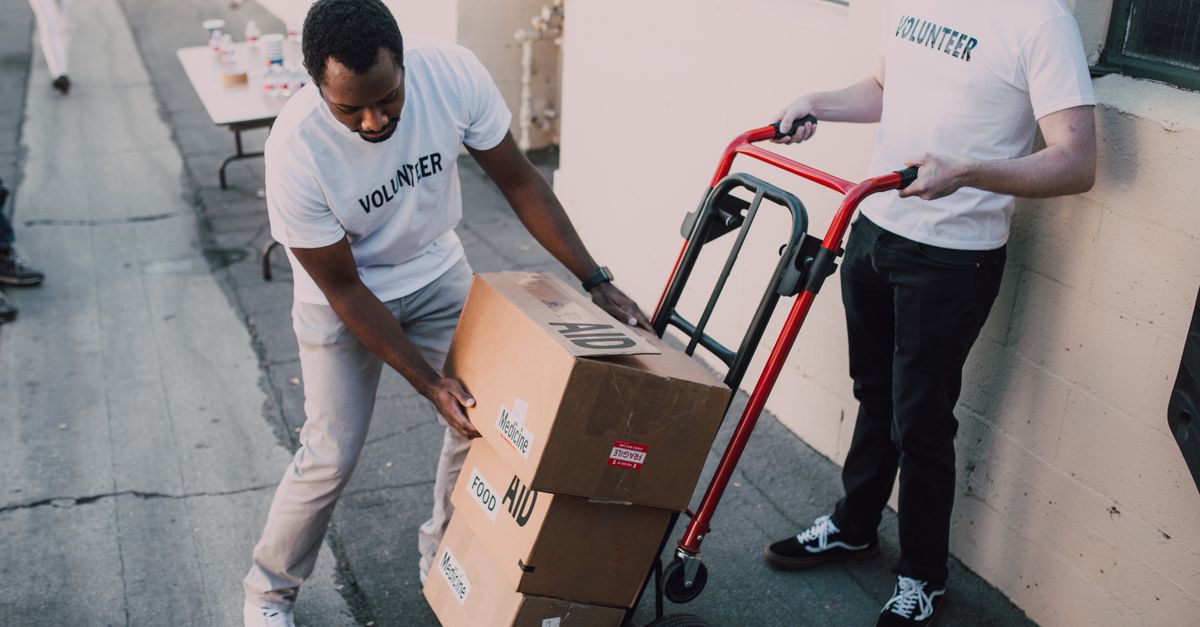
Fundraising donor outreach remains the lifeblood of any philanthropic effort, yet many business leaders struggle to translate their network into sustained giving. In this article I break down a practical roadmap that aligns fundraising outreach with stewardship programs, legacy giving, and the collaborative momentum found at business sector meetups.
1. Clarify Your Outreach Objectives
Before drafting an email or calling a contact, I set three core questions: Who is my target donor? What impact do I want to create? How will I measure success? Answering these keeps messaging focused and avoids the “I’ll just send it out and hope for the best” trap.
Align with Your Mission
Donors are more likely to respond when the request feels authentic. Map each outreach goal back to a specific mission statement or program outcome so that every ask can be answered with a tangible benefit.
Define Success Metrics Early
Whether you’re measuring conversion rate, average gift size, or long‑term retention, having clear KPIs from day one ensures your outreach remains data‑driven and accountable. This early alignment also helps when allocating resources across campaigns.
2. Build a Targeted Donor List
Quality beats quantity in outreach. Below is the framework I use to segment donors by engagement potential:
Donor Segmentation Checklist
- Past giving history – annual, multi‑year, or one‑time.
- Industry relevance – alignment with your company’s mission and values.
- Relationship depth – executive contacts vs. mid-level staff.
- Geographic proximity – local foundations can be easier to engage.
- Online activity – social media engagement signals interest.
This list becomes the foundation for personalized communication.
Data Sources and Tools
- CRM & Donor Management Systems: Centralize all donor data, including donation amounts, dates, and notes from past interactions.
- Public Records & Foundations Directory: Leverage databases such as Guidestar or Foundation Center for additional context on potential donors’ giving patterns.
- Social Listening Platforms: Tools like Brandwatch can surface conversations around your cause, helping identify influencers who may be willing to advocate.
Qualitative vs. Quantitative Criteria
Quantitative data tells you who the donor is, while qualitative insights reveal why they might give. Conduct brief outreach surveys or informal interviews during industry events to capture motivations that can inform messaging tone and content.
3. Craft a Persuasive Outreach Message
The first contact must hook, inform, and invite action in one concise paragraph. I follow a three‑step formula: Hook (a data point or story), Value (what donor gains), Call to Action (specific next step).
After the initial outreach, I schedule a follow‑up sequence that builds depth without overwhelming the recipient.
Subject Line Strategies
- Personalization: Include the donor’s name or company.
- Curiosity: Pose a question that hints at a benefit.
- Urgency: Reference a deadline or limited‑time opportunity.
Email Body Best Practices
- Keep it short: Aim for 150–200 words to respect busy professionals.
- Use storytelling: A single anecdote about a beneficiary can humanize the ask.
- Highlight impact: Quantify outcomes (e.g., “$10,000 will fund three new scholarships”).
- Close with clarity: Provide an explicit CTA such as “Reply to schedule a 15‑minute call.”
Sample Follow‑Up Cadence
- Email 1 – Immediate thank you and brief overview.
- Email 2 – Case study or impact report (within 5–7 days).
- Email 3 – Invitation to a virtual coffee or meeting (within 10–14 days).
- Phone call – if email opens exceed 50% (optional).
4. Leverage Technology and Automation
Automation tools can scale outreach while preserving personalization. I integrate CRM, email automation, and analytics to track open rates, click‑throughs, and response timing.
Key features to enable:
- Dynamic content blocks that insert donor name or company details.
- A/B testing for subject lines and body copy.
- Automated reminders tied to donor lifecycle stages.
CRM Integration
Connect your email platform directly to the CRM so that every interaction is logged in real time. This eliminates manual data entry, reduces errors, and allows you to trigger automated flows based on behavior (e.g., opening an email but not responding).
Email Sequencing & Personalization Engines
Modern marketing automation platforms can generate personalized subject lines using AI, select the optimal sending time per recipient, and even suggest content variations that have historically performed best in similar donor segments.
Analytics Dashboards
- Real‑time metrics: Watch open rates spike after a new subject line A/B test.
- Conversion tracking: Link each email send to actual donation amounts for ROI calculation.
- Heat maps: Visualize click patterns within the email body to refine call‑to‑action placement.
5. Integrate Philanthropy Stewardship Programs
Once a donor responds, stewardship moves the conversation from “give” to “grow.” I design a tiered program that rewards continued engagement through exclusive content, event invitations, and public recognition.
Key takeaway: Effective outreach is only the first step; robust stewardship ensures long‑term partnership and higher lifetime value.Stewardship Tiers
- Bronze: Annual thank‑you email, quarterly impact update.
- Silver: All Bronze benefits plus a personal phone call from the program director.
- Gold: Silver perks plus an invitation to an exclusive donor-only event.
Communication Cadence
Maintain contact frequency that feels meaningful, not intrusive. A typical schedule might be: quarterly email updates, bi‑annual personal outreach for higher tiers, and a yearly in‑person or virtual “donor appreciation” gathering.
Feedback Loops
Encourage donors to share their experience with the organization. Use short surveys after events or donation receipts to capture satisfaction scores, which can inform future outreach strategies.
6. Offer Legacy Giving Opportunities
Legacy giving attracts donors who want to embed their impact in a lasting way. I present three common legacy options:
Legacy Giving Tactics
- Bequest plans – include your organization in wills or trusts.
- Endowment contributions – fund scholarships or research grants.
- Named asset donations – dedicate a product line or program to the donor’s name.
Tax Implications & Legal Considerations
Educate donors on how bequests can provide estate tax benefits and ensure you comply with IRS guidelines. Partnering with your organization’s legal counsel for drafting gift letters helps streamline the process.
Storytelling for Legacy Donors
Showcase how a legacy gift creates generational change. Feature testimonials from families who have made bequests, illustrating the enduring impact and sense of belonging donors can experience.
Promotional Channels
- Email: Dedicated “Legacy Giving” series with clear next steps.
- Direct Mail: A polished brochure sent to high‑potential prospects.
- Events: Host a “Legacy Summit” where donors can meet program beneficiaries and discuss options face‑to‑face.
7. Use Business Sector Meetups as Catalysts
Meetups bring like‑mind professionals together and are ideal venues for informal fundraising conversations.
I schedule quarterly meetups that combine industry talks with a “giving roundtable” where attendees share philanthropic goals and opportunities.
Planning the Agenda
- Industry Insight: Invite a speaker who can connect business trends to your cause.
- Interactive Breakout: Small groups discuss their own philanthropic interests.
- Giving Pitch: Present a concise, data‑driven case for support (e.g., “$5,000 will build a community center”).
- Networking Time: Allow informal conversations that can blossom into deeper engagements.
Virtual vs. In-Person Formats
Hybrid events broaden reach while preserving the personal touch of face‑to‑face interaction. Use platforms like Zoom for breakout rooms and virtual coffee chats, and provide a physical venue for keynotes to maintain engagement energy.
Follow‑Up Strategy
- Send a personalized thank‑you note within 24 hours.
- Include a link to an online survey capturing their interest level.
- Offer a one‑on‑one meeting with the program director for deeper conversations.
8. Tap into Business Collaboration Hubs
Collaboration hubs—co‑working spaces, incubators, or industry consortiums—provide access to cross‑sector partners who can amplify outreach efforts.
In my experience, partnering with a local tech hub allowed me to host a joint webinar that doubled our donor list in two months.
Selecting the Right Hub
- Alignment of Values: Ensure the hub’s mission aligns with your organization’s focus.
- Audience Reach: Look for hubs with an active membership base that includes potential donors.
- Co‑Marketing Agreements: Formalize expectations regarding shared branding, email blasts, and event promotion.
Joint Webinar Blueprint
- Topic Selection: Choose a theme that resonates with both audiences (e.g., “Technology for Social Impact”).
- Speaker Line‑up: Combine your organization’s leaders with hub experts to diversify perspectives.
- Lead Capture: Use registration forms that ask for donation intent and preferred follow‑up format.
- Post‑Event Outreach: Send a thank‑you email with a short survey and a clear call to action (e.g., “Schedule a 15‑minute conversation”).
Measuring Hub Impact
Track metrics such as new donor sign‑ups, meeting requests, and average donation size attributable to the collaboration. Use these insights to refine future partnerships.
9. Avoid Common Pitfalls
The most frequent mistakes I see are:
- Sending generic mass emails without segmentation.
- Neglecting follow‑up after the first contact.
- Underestimating the power of storytelling in stewardship.
- Failing to measure key metrics like response time and conversion rate.
Pitfall Mitigation Checklist
- Segment before you send: Use data fields to create dynamic lists.
- Schedule follow‑ups: Automate reminders so no donor falls through the cracks.
- Embed stories: Include real beneficiary narratives in every communication.
- Track and report: Create a monthly dashboard that displays open rates, replies, and new donors.
10. Measure Impact with Clear Metrics
Tracking success requires data on both outreach and stewardship:
- Open rates, click‑throughs, and reply rates for initial emails.
- Conversion from outreach to donor status.
- Retention rate over 12 months.
- Net new funds raised per campaign.
These metrics guide adjustments in messaging, segmentation, and engagement tactics.
Reporting Cadence
- Weekly: Monitor email deliverability and immediate response spikes.
- Monthly: Review donor acquisition costs and average gift size.
- Quarterly: Assess retention trends and stewardship tier progression.
- Annual: Conduct a full impact report linking outreach activity to overall fundraising goals.
Conclusion: From Outreach to Ongoing Partnership
Effective fundraising donor outreach is a disciplined process that blends targeted segmentation, compelling storytelling, automation, and robust stewardship. By aligning these elements with legacy giving options and leveraging the energy of business sector meetups and collaboration hubs, you can transform one‑time donors into lifelong partners.
What has been your most successful method for converting a first contact into an active donor?