
What Are the Best Practices for Designing Fundraising Sponsorship Packages and Gala Sponsorships in 2026?
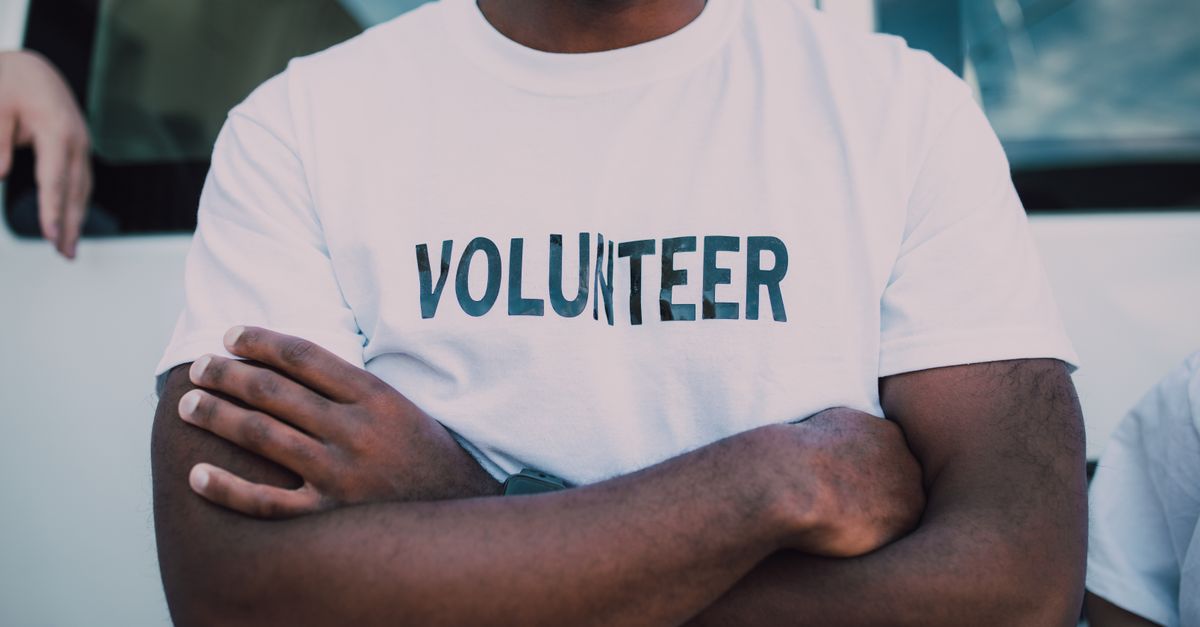
I’ve spent years building brands, launching tech startups, and orchestrating large events. When it comes to fundraising, the most valuable asset is a well‑structured sponsorship program that aligns donors with your mission while delivering tangible return on investment (ROI). Below I break down the essentials of creating effective fundraising sponsorship packages, integrating legacy giving, and developing long‑term charity partnerships.
1. Define Your Objectives Before You Draft a Package
Every sponsor package starts with a clear set of goals: revenue targets, visibility metrics, or strategic partnership outcomes. Ask yourself:
- How much capital do I need for the gala?
- Which brands align with our mission and audience demographics?
- What level of engagement am I willing to offer (e.g., speaking slots, branding on program materials)?
- Do I want to build a pipeline of future donors through legacy giving initiatives?
Answering these questions early keeps the package focused and prevents feature creep. It also sets the tone for the language you’ll use in proposals—whether you’re pitching a “Title Sponsor” or an “Impact Partner.” When objectives are quantified, it’s easier to justify each tier’s price point and to measure success at the end of the event.
2. Categorize Sponsors by Impact Level
Sponsors can be grouped into tiers that reflect both financial commitment and desired exposure. A typical structure includes:
Tier Overview
- Title Sponsor ($50k+) – Exclusive naming rights, headline placement, and a speaking opportunity.
- Gold Sponsor ($20k–$49k) – Prominent logo on all event collateral, booth space, and two complimentary tickets.
- Silver Sponsor ($5k–$19k) – Logo on program booklet, table signage, and one ticket.
- Bronze Sponsor ($1k–$4.9k) – Name listed in the event program and acknowledgement during opening remarks.
Adjust tier thresholds based on your organization’s size and fundraising goals. Remember to keep tiers realistic; a sponsor who can’t meet the minimum threshold is unlikely to commit. For smaller nonprofits, consider compressing tiers or adding a “Community Partner” level that focuses more on in‑person engagement than on‑stage branding.
3. Design Activation Opportunities That Deliver Value
A package is only as good as its activation plan. Donors want measurable impact, so tie each tier to specific deliverables:
- Branding on Digital Platforms – Social media shout‑outs, dedicated email blasts, and a feature on the event website.
- On‑site Presence – Branded stages, signage, and interactive booths.
- Content Collaboration – Guest blog posts, podcast interviews, or co‑created videos that highlight the sponsor’s support.
- Exclusive Events – Pre‑gala cocktail reception or post‑event dinner with key stakeholders.
Provide a clear timeline and responsibilities for both parties. This transparency builds trust and encourages sponsors to invest further. For example, a Gold Sponsor might receive a “Sponsor Spotlight” segment in the live stream scheduled 30 minutes before the main presentation, while a Bronze Sponsor could be featured in the thank‑you slide deck.
4. Integrate Philanthropy Legacy Giving into the Sponsorship Narrative
Legacy giving—bequests, charitable trusts, or donor-advised funds—offers long‑term stability. Position it as a premium sponsorship level:
- Legacy Partner ($100k+) – Annual recognition in the annual report, priority placement on the event stage, and an exclusive strategy session with the executive team.
- Offer matching opportunities or tax incentive information to sweeten the deal.
When sponsors see that their legacy support is honored publicly, they’re more likely to commit to higher tiers. Aligning legacy giving with gala sponsorships also demonstrates a holistic approach to philanthropy. A common practice is to create a “Legacy Wall” on the event floor where these partners are highlighted in a dedicated space, reinforcing the narrative that long‑term stewardship matters as much as immediate impact.
5. Develop a Philanthropic Strategic Planning Framework
A robust plan ensures your sponsorship program aligns with long‑term objectives:
- Market Analysis – Identify potential sponsors that share your values and audience overlap.
- Relationship Mapping – Chart existing contacts, past engagement levels, and future opportunities.
- Value Proposition Development – Craft messaging that speaks to each sponsor’s business goals.
- Implementation Roadmap – Set milestones for outreach, proposal delivery, negotiation, and activation.
- Measurement & Feedback Loop – Track metrics such as revenue per tier, media impressions, and post‑event satisfaction surveys.
This structured approach reduces guesswork and improves sponsor retention rates. A practical tip is to use a simple CRM spreadsheet that flags sponsors by “Ready for Outreach,” “Negotiation Stage,” or “Activated.” This keeps the team aligned and ensures no sponsor falls through the cracks during the hectic pre‑event period.
6. Foster Charity Partnership Development Beyond the Gala
Gala sponsorships are a gateway to deeper collaboration:
- Co‑branding Campaigns – Joint marketing initiatives that extend beyond the event.
- Sustainability Projects – Partner on grant writing, community outreach, or product development aligned with both parties’ missions.
- Employee Engagement Programs – Invite sponsor staff to volunteer days or mentorship opportunities.
Building a partnership ecosystem increases the likelihood of multi‑year sponsorship renewals and expands your impact footprint. For instance, a tech company that sponsors a gala can later collaborate on a digital literacy workshop for underserved youth, creating a narrative continuity that feels authentic to both audiences.
7. Avoid Common Pitfalls in Sponsorship Design
Even seasoned nonprofits fall into these traps:
- Overpromising Activation – Commit to deliverables you can’t realistically fulfill.
- Lack of Flexibility – Rigid packages may deter potential sponsors who need customization.
- Missing Data Collection
- Underestimating the Importance of Thank‑You Communications
- Ignoring Post‑Event Follow‑Up
Address these issues by setting realistic expectations, offering modular add‑ons, and maintaining regular communication throughout the partnership lifecycle. A “Add‑On” menu—such as a digital ad slot or a branded photo booth—allows sponsors to tailor their experience without overhauling the entire package.
8. Measure ROI to Refine Future Packages
Quantifying success is essential for continuous improvement:
- Financial Metrics – Total sponsorship revenue, average contribution per tier.
- Brand Exposure – Social media reach, website traffic spikes, and press mentions.
- Sponsor Satisfaction – Post‑event surveys measuring perceived value vs. cost.
- Long-Term Impact – Tracking sponsor engagement in subsequent campaigns or events.
Use these insights to tweak tier thresholds, activation strategies, and partnership offers for the next gala. A simple post‑event debrief worksheet can capture both quantitative data and qualitative feedback, giving you a 360° view of what worked and where gaps remain.
9. Practical Takeaway
A well‑structured sponsorship package that aligns financial goals with meaningful brand exposure—and integrates legacy giving—creates a win‑win scenario for both sponsors and nonprofits.In my experience, the most successful gala sponsorships come from treating partners like co‑creators rather than transactional donors. When I co‑developed a tier with a tech startup that allowed them to showcase their latest product during the event, we saw a 30% increase in sponsor renewals the following year.
What is one creative activation idea you’ve tried—or want to try—in your next fundraising gala?