
How Can Nonprofits Build Effective Philanthropy Stewardship Programs in 2026?
When a nonprofit launches, fundraising and program delivery often dominate the agenda. Yet the long‑term health of any mission depends on how donors are cared for after that first contribution. In 2026 I’ve seen organizations over‑promise or under‑deliver on stewardship, eroding trust and reducing giving. This article outlines practical steps to build a robust philanthropy stewardship program that integrates social influence networks, impact assessments, volunteer mobilization, and advisory services.
1. Build a Structured Philanthropy Stewardship Program
A stewardship program is more than thank‑you emails; it’s a continuous engagement loop that turns one‑time donors into long‑term partners. Start by defining donor maturity stages: prospect, new donor, engaged donor, and lifelong supporter. Each stage requires tailored communication.
Key Tactics for Each Stage
- Prospect: Share a concise mission statement and an impact teaser.
- New Donor: Send a personalized thank‑you card within 48 hours.
- Engaged Donor: Provide quarterly impact reports.
- Lifelong Supporter: Invite to exclusive events or advisory boards.
Use data segmentation to automate these touchpoints and track engagement metrics—opens, clicks, event attendance. This structured approach ensures consistency and scalability, preventing the scatter‑brained “send a thank‑you” habit that can erode trust.
Select a donor relationship management (DRM) tool that supports tiered workflows, such as Bloomerang or Salesforce Nonprofit Cloud. Create distinct segments for each maturity stage and set up automated email templates reflecting the appropriate tone. For example, a new donor might receive a short video from the executive director, while an engaged donor could get a detailed case study.
Define clear success metrics at every level: conversion rates, average donation size per tier, and 12‑month retention percentages. These KPIs help refine strategy and demonstrate stewardship value to board members and grantmakers.
2. Leverage Social Influence Networks for Amplification
Donors today respond more to peers than brand slogans. Social influence networks (SINs) capture these connections, allowing you to amplify impact without extra spend.
How to Activate a SIN for Your Cause
- Identify key community influencers—local leaders, bloggers, or micro‑influencers aligned with your values.
- Invite them to experience your programs firsthand.
- Provide sharable content bundles (videos, infographics).
- Track referrals through unique links and offer recognition badges.
When donors see trusted peers endorsing your mission, the barrier to repeat giving drops significantly. To operationalize this, map your donor network on a spreadsheet: list potential influencers, follower counts, engagement rates, and contact info. Reach out with a personalized invitation that highlights how their involvement creates tangible change.
Use unique referral links in all shared content so you can attribute new donations to each influencer. This data informs future partnerships and provides proof points when reporting impact to stakeholders.
3. Conduct Rigorous Philanthropy Impact Assessments
A stewardship program is only as credible as its data. Impact assessments validate claims, inform strategy, and satisfy donors who want to know the real difference their money makes.
Essential Elements of an Assessment
- Define clear, measurable outcomes tied to your mission.
- Use quantitative metrics and qualitative stories.
- Collect baseline data before program launch.
- Schedule mid‑point reviews to adjust tactics.
- Publish annual impact reports in digest and deep‑dive formats.
- Invite third‑party auditors for transparency.
A practical workflow begins with KPIs linked directly to program goals. For a literacy nonprofit, KPIs might include books distributed and reading level improvements among participants. Gather baseline data through surveys or existing records before launching an initiative.
Mid‑point reviews—typically at six months—allow course correction. Share insights with donors via infographics or short video summaries. Transparency builds confidence and can encourage larger gifts.
Third‑party audits add credibility. Even a simple audit by a reputable local accounting firm reassures major donors that funds are used effectively. Include audit results in your annual report, highlighting any recommendations.
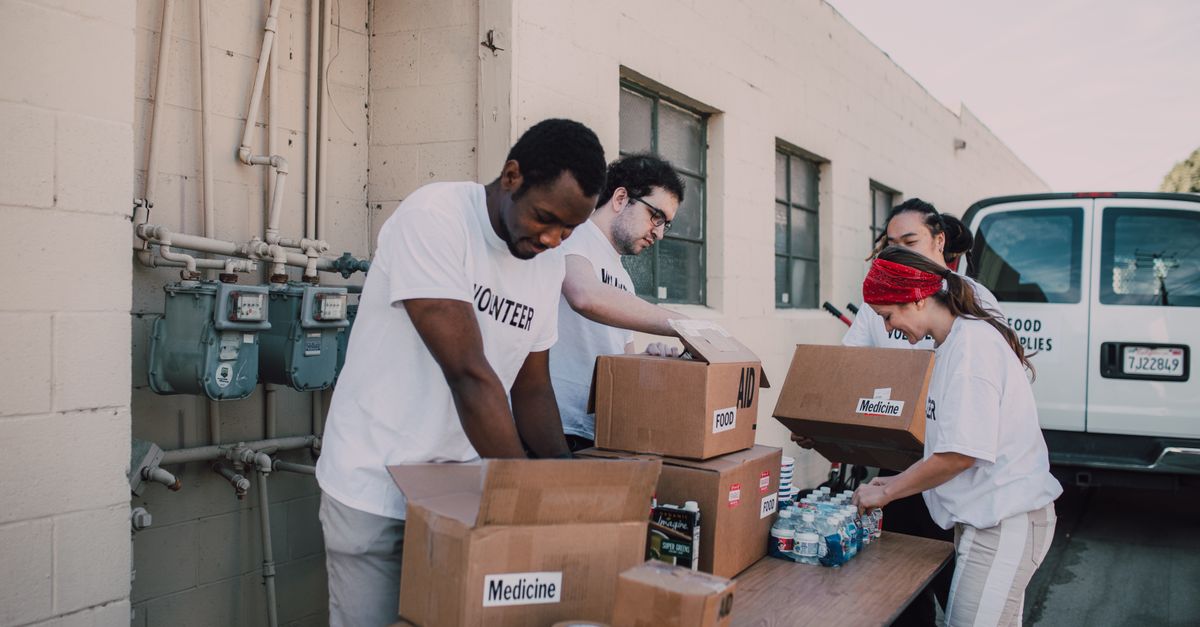
4. Mobilize Charity Volunteers Efficiently
Volunteer mobilization turns donor resources into on‑ground action while keeping costs low.
Steps to Effective Volunteer Mobilization
- Segment volunteers by skill set and availability.
- Create micro‑tasks that require minimal training.
- Use a digital platform for sign‑ups and scheduling.
- Offer recognition tiers (bronze, silver, gold).
- Provide ongoing feedback and learning resources.
- Track volunteer hours against program outcomes.
Begin by identifying tasks your organization needs—event setup, data entry, community outreach—and match them with volunteer skills. For each task, develop a short online training module: a 5‑minute video or interactive quiz.
A scheduling platform like SignUpGenius or VolunteerLocal lets volunteers commit at their convenience. Integrate this tool with your CRM so hours automatically feed into program metrics, simplifying reporting on the return on volunteer investment (ROVI).
Recognition is key. Create a tiered system—bronze for 5–10 hours, silver for 11–20, gold for 21+—and celebrate achievements with certificates, shout‑outs on social media, or exclusive meet‑and‑greet events with staff. Regular feedback sessions keep volunteers engaged and improve program quality.
5. Choose the Right Philanthropy Advisory Services
No organization can master every niche of philanthropy alone. Strategic advisory services fill gaps in expertise—from legal compliance to donor analytics.
Criteria for Selecting an Advisor
- Proven track record with similar nonprofits.
- Specialization in areas you lack (e.g., data science, grant writing).
- Transparent fee structure—prefer value‑based pricing.
- Ability to integrate with your existing tech stack.
- Strong references and case studies.
- Commitment to continuous improvement and knowledge transfer.
Start by drafting an advisory brief that outlines your needs. Send it to a shortlist of firms or individuals with relevant experience. During consultations, request concrete examples—such as improved retention rates or successful grant proposals.
Fee structures vary: some consultants bill hourly, others charge a flat fee or a percentage of the budget they help secure. Value‑based pricing aligns incentives and ensures both parties invest in success.
The core takeaway: A structured stewardship program, amplified by social influence networks, validated through rigorous impact assessments, powered by efficient volunteer mobilization, and supported by specialized advisory services creates a virtuous cycle of donor trust and sustained giving.In my experience, implementing a tiered thank‑you system for a local shelter raised repeat donations by 35% within six months—an unmistakable signal that consistent, meaningful communication matters.
What is one stewardship tactic you’ve seen work best in your organization, and how did it affect donor engagement?