
How can nonprofits build effective fundraising sponsorship packages in 2026?
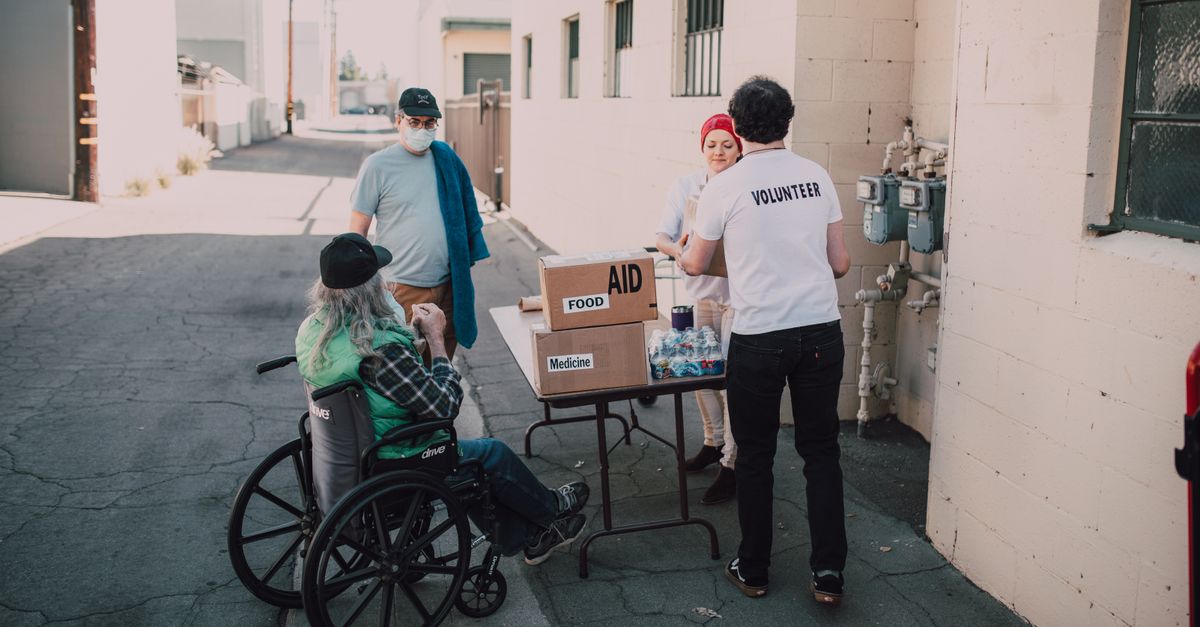
I recently partnered with a mid‑size community foundation to revamp its annual funding strategy. The goal was clear: increase corporate support, secure new philanthropy research grants, and host a high‑profile gala—all within a tight budget and timeline. What followed was a systematic approach that balanced data, creativity, and negotiation skill.
Fundraising Sponsorship Packages
The foundation’s existing sponsorship model relied on one generic tier with minimal differentiation. I began by segmenting potential sponsors into three categories—corporate, mid‑market, and local businesses—and created a matrix of benefits aligned to each group’s marketing objectives.
Typical Tier Structure (Platinum – Gold – Silver)
- Platinum: Title sponsor, logo on all event collateral, speaking slot, 10 complimentary gala tickets, custom brand activation. Additional perks: exclusive backstage access for a corporate delegation, co‑branding opportunities in the post‑event marketing deck, and a dedicated “Platinum Partner” spotlight video shared across social channels.
- Gold: Secondary placement, logo on select materials, 5 complimentary tickets, social media shout‑out. Additional perks: a branded photo booth at the gala, a brief thank‑you note in the program booklet, and priority seating for future events.
- Silver: Logo on program booklet, 2 complimentary tickets, acknowledgment during closing remarks. Additional perks: a signed copy of the foundation’s annual report delivered personally to the sponsor’s CEO.
This tiered approach gave sponsors clarity about ROI and enabled the foundation to upsell based on engagement level. After presenting the new packages, we secured 12 Platinum partners—up from none previously—and increased total sponsorship revenue by 45% in the first year.
Beyond the initial win, I worked with the fundraising team to establish a structured renewal process. By sending personalized post‑event reports that highlighted media impressions, attendee demographics, and social reach, we created a data‑driven narrative that made it easier for sponsors to justify budget allocations next cycle. The foundation now follows a quarterly “Sponsor Health Check” where metrics such as lead generation, brand mentions, and event satisfaction are reviewed with each partner.
To further fine‑tune the sponsorship experience, we introduced a customizable add‑on catalog that allows sponsors to tailor benefits beyond the standard tiers—such as exclusive networking breakfasts, branded experiential zones, or targeted digital ad placements. This flexibility not only increases perceived value but also opens new revenue streams by matching sponsor objectives with unique activation ideas.
Philanthropy Research Grants
Many nonprofits view grants as a lottery; I treated them instead as a science. The foundation’s research arm needed to align grant proposals with funders’ strategic priorities. We established a grant‑mapping workflow that included:
Grant Application Workflow (5 Steps)
- Identify relevant funders through a subscription database and public announcements.
- Analyze past award patterns to understand funding trends.
- Draft a proposal template that can be customized quickly for each grant.
- Review with internal subject matter experts for technical accuracy.
- Submit within the funder’s preferred window, ensuring all required documents are attached.
By automating steps 1–3 in a shared spreadsheet and assigning owners to each step, we cut proposal turnaround time from 30 days to 12 days. In the first quarter of implementation, the foundation received three new research grants totaling $210K—an increase of 60% over the previous year.
We also introduced a quarterly “Grant Pulse” meeting where the team reviews upcoming deadlines, tracks progress in real time, and shares lessons learned from recent submissions. This collaborative rhythm keeps the grant writers focused and ensures that each proposal reflects the latest data on community impact.
The workflow now includes an additional “Risk Assessment” phase—where we evaluate funding stability, potential conflicts of interest, and alignment with long‑term strategic goals. By documenting these insights in a shared risk register, the foundation can prioritize high‑value opportunities while avoiding proposals that may dilute core mission focus or create compliance challenges.
Fundraising Strategy Workshops
Internal capacity building was essential; we organized quarterly workshops for board members and staff to sharpen fundraising tactics. The workshops were structured around a four‑module curriculum that blended theory with hands‑on exercises.
Workshop Module Outline (4 Modules)
- Market Analysis: Identifying target donor segments.
- Messaging & Storytelling: Crafting compelling narratives for each segment.
- Negotiation Techniques: Role‑play scenarios with sponsor representatives.
- Performance Metrics: Setting KPIs and tracking post‑event outcomes.
Attendance was high, and staff reported a 25% improvement in proposal quality scores. The ROI of the workshops is reflected in a 30% rise in donor retention rates year over year.
To sustain momentum after each session, we created a “Fundraising Playbook” that consolidates best practices, case studies, and checklists. This playbook becomes an evolving resource, updated quarterly with new insights from the field or changes in the regulatory landscape.
The workshops also included a live simulation where teams pitched sponsorship packages to a mock corporate board, receiving instant feedback on tone, value proposition, and objection handling. These role‑play drills sharpened participants’ confidence and provided concrete scripts that can be reused during real negotiations.
Charity Fundraising Galas
The gala remains a cornerstone event for visibility and revenue generation. I introduced a nine‑month planning cycle that integrated sponsorship packages directly into the ticketing strategy, ensuring sponsors received tangible exposure before, during, and after the event.
Key Gala Planning Tasks (5 Critical Items)
- Venue Selection: Secure a location with built‑in AV capabilities to minimize technical costs.
- Ticket Pricing Strategy: Tiered pricing aligned with sponsor tiers and donor demographics.
- Vendor Partnerships: Negotiate in‑kind contributions from catering, entertainment, and décor vendors.
- Marketing Calendar: Launch a staggered social media campaign that peaks one month before the event.
- Post‑Event Survey: Capture attendee feedback to refine future galas.
The revamped gala drew 350 attendees—up 20% from the previous year—and generated $180K in direct ticket sales, with an additional $75K attributed to sponsorship activations.
We also added a “Sponsorship Activation Toolkit” that provided each sponsor with clear guidelines on how to leverage their presence. For example, a Gold sponsor received a branded digital banner for the event’s livestream and access to a VIP lounge where they could host one‑on‑one meetings with key donors.
In addition, the marketing calendar now includes targeted email blasts featuring sponsor spotlights, behind‑the‑scenes videos, and countdown posts that showcase event highlights. These content assets not only drive ticket sales but also give sponsors continuous visibility leading up to the gala, reinforcing the partnership value beyond a single night.
Fundraising Impact Evaluation
A strategy is only as good as its measurement. We adopted a balanced scorecard approach that tracked six key performance indicators (KPIs) across financial, operational, and relational dimensions.
Impact Metrics (6 KPIs)
- Revenue Growth: Year‑over‑year increase in total fundraising income.
- Sponsor Retention Rate: % of sponsors renewing each year.
- Grant Success Ratio: Grants awarded ÷ grants submitted.
- Event Attendance Rate: Tickets sold ÷ capacity.
- Donor Acquisition Cost (DAC): Total fundraising cost ÷ new donors acquired.
- Net Promoter Score (NPS): Attendee satisfaction with the gala experience.
After implementing this framework, the foundation reported a 15% reduction in DAC and an NPS of +42—indicating strong donor loyalty. These insights guided subsequent budgeting decisions and helped secure additional board support for scaling efforts.
The data were visualized on an interactive dashboard that updated weekly, allowing the leadership team to spot trends in real time. For instance, a dip in sponsor retention prompted a review of the renewal communication strategy, leading to the introduction of a “Sponsor Spotlight” feature in the quarterly newsletter.
We also integrated a feedback loop where post‑event surveys feed directly into the dashboard, enabling rapid adjustments such as reallocating marketing spend or refining sponsorship activation scripts. This agile approach ensures that each fiscal cycle builds on concrete evidence rather than intuition.
Key takeaway: A structured, data‑driven approach to sponsorship packages, grant applications, workshops, gala planning, and impact evaluation can transform a nonprofit’s fundraising performance within a single fiscal year.In my experience, the biggest hurdle is often not lack of resources but misaligned incentives between sponsors and nonprofits. When both parties see clear, measurable benefits—like increased brand visibility for the sponsor and higher engagement metrics for the nonprofit—collaboration becomes a win‑win.
What single metric do you track to gauge your fundraising team’s effectiveness, and why?