
How can I build a fundraising strategy that scales and engages donors effectively?
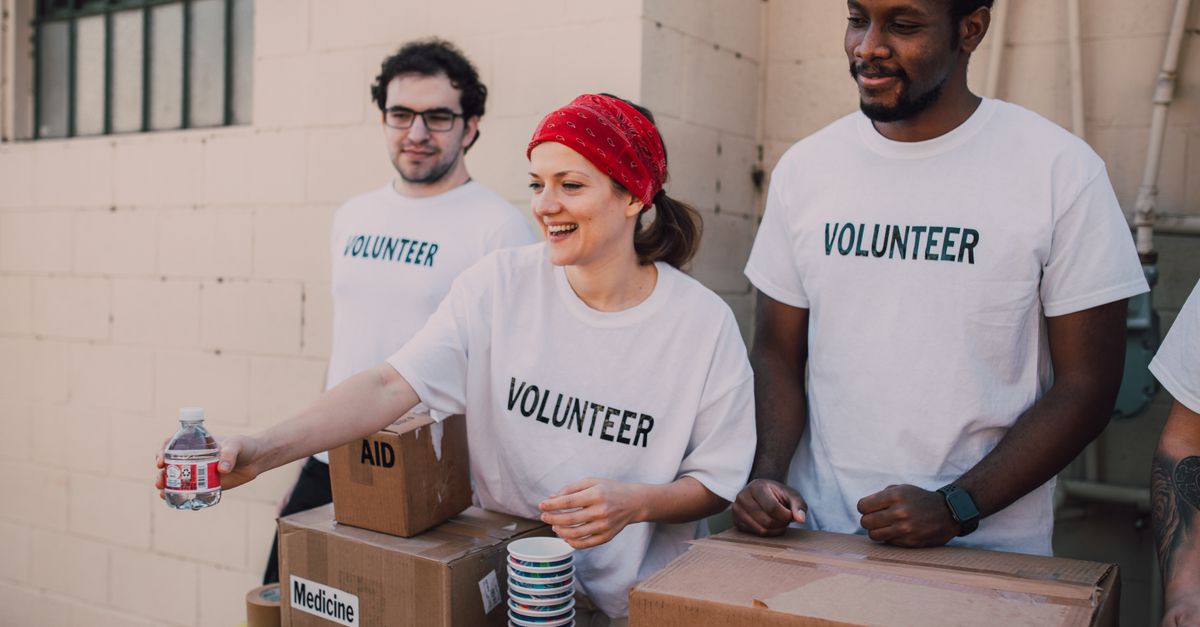
The challenge for most nonprofits today is creating a repeatable, data‑driven process that turns prospects into long‑term supporters. Without a clear plan, teams waste time on ad hoc outreach, choose the wrong tech stack, or miss opportunities to deepen relationships. In this guide I’ll walk you through the core components of a scalable fundraising strategy, from workshops and donor outreach to platform integration, philanthropy program design, and social networking toolkits.
1. Why a Structured Fundraising Strategy Matters
A well‑defined strategy gives your team direction, aligns resources with goals, and creates measurable outcomes. It transforms scattered volunteer efforts into coordinated campaigns that can be tracked, optimized, and replicated across seasons.
When you set clear objectives—such as raising $500,000 in a fiscal year or increasing donor retention by 15%—you also create accountability. Each team member knows what they’re responsible for, whether it’s prospect research, copywriting, or analytics.
Without structure, even the most passionate organization can flounder: donors may feel ignored, data can become siloed, and staff morale can drop when successes aren’t clearly linked to effort.
Key elements of a structured strategy
- Defined fundraising goals with SMART metrics.
- Segmented donor database for targeted outreach.
- Standard operating procedures (SOPs) for each task.
- Regular performance reviews and data dashboards.
- A clear escalation path for high‑value prospects.
Beyond the tactical benefits, a structured strategy also supports long‑term sustainability. By embedding fundraising into your organization’s core planning cycle—budgeting, program evaluation, and board reporting—you create a culture where every activity is measured against impact. This alignment reduces the risk of mission drift and ensures that fundraising efforts reinforce, rather than compete with, programmatic goals.
2. Designing Effective Fundraising Strategy Workshops
Workshops are the training ground where staff, volunteers, and board members learn how to execute the strategy consistently. A good workshop balances theory with hands‑on practice, ensuring participants leave ready to apply what they’ve learned.
Start each session by revisiting your overarching goals—this anchors learning to real outcomes. Then move into skill modules: prospect research, storytelling, data analysis, and technology use. Finish with a role‑play or simulation that mirrors an actual donor interaction.
After the workshop, provide quick reference guides, checklists, and access to recorded sessions so participants can refresh their knowledge on demand.
Workshop structure checklist
- Pre‑work: send a brief survey to gauge baseline knowledge.
- Icebreaker that ties in your organization’s mission.
- Interactive case study of a successful campaign.
- Hands‑on exercise with the chosen fundraising platform.
- Post‑session feedback form and action items list.
A deeper dive into workshop design reveals several layers that can make or break its effectiveness:
- Learning Objectives: Write clear, measurable objectives for each module. For example, “By the end of the prospect research session, participants will be able to identify at least three high‑potential donors using available data.”
- Skill Assessment: Incorporate quick quizzes or peer reviews that let attendees test their understanding immediately.
- Board Involvement: Invite a board member to share how they view fundraising priorities. This encourages buy‑in and reinforces the link between strategy and governance.
- Follow‑Up Coaching: Schedule one‑on‑one check‑ins within two weeks of the workshop to troubleshoot challenges and celebrate early wins.
- Documentation: Store all workshop materials in a central repository—ideally linked to your fundraising platform—so that new hires can access them as part of onboarding.
3. Donor Outreach Tactics That Convert
Outreach is where strategy meets execution. It’s not just about sending emails; it’s about crafting messages that resonate with each donor segment and nurturing those relationships over time.
Use a multi‑channel approach: email, social media, phone calls, in‑person events, and direct mail. Tailor the tone and content to the medium—short, punchy snippets for social posts; deeper storytelling for emails or newsletters.
Measure every touchpoint. Track open rates, click‑throughs, response times, and conversion rates. Use this data to refine messaging, frequency, and channel mix.
Effective outreach steps
- Create a donor journey map outlining each interaction point.
- Segment donors by giving history, interests, and engagement level.
- Develop personalized email templates for each segment.
- Schedule regular check‑ins—quarterly calls or monthly updates.
- Leverage social proof: testimonials, impact stories, and peer recognition.
When you combine segmentation with storytelling, your messages feel less like marketing pitches and more like invitations to join a narrative. For instance, a donor who has supported literacy initiatives in the past may receive an email featuring a short video of children reading books that were funded by similar contributions. The emotional connection is stronger, and the call‑to‑action feels natural.
Another layer of sophistication involves dynamic content. Many platforms allow you to insert donor‑specific data—such as their past giving amount or a milestone reached—directly into emails. Even small touches like addressing donors by first name or referencing a recent event they attended can boost engagement without adding significant effort.
4. Fundraising Platform Integration for Seamless Operations
A robust platform links fundraising efforts with CRM, analytics, and marketing tools. Choosing the right one depends on your organization’s size, budget, and technical capacity.
Key integration points include: donor data import/export, payment processing, event registration, email automation, and reporting dashboards. Ensure the platform can scale—adding new features or users without downtime.
During implementation, map out workflows: from initial prospect capture to post‑donation acknowledgment. Test each step rigorously before going live.
Integration checklist
- Data migration plan with backup procedures.
- API connectivity for third‑party services (e.g., email marketing).
- Single sign‑on and role‑based access controls.
- Automated acknowledgment emails with personalized receipts.
- Real‑time analytics dashboard for campaign performance.
The technical side is only half the story. Successful integration also relies on change management. Communicate clearly to all stakeholders what new processes look like, why they matter, and how they will be supported. Provide role‑specific training modules that walk users through common tasks—such as creating a donation form or exporting a donor list for stewardship outreach.
Security and compliance are non‑negotiable. Ensure the platform complies with relevant regulations (e.g., GDPR, PCI DSS) and offers encryption for sensitive data. Regularly review audit logs to detect unusual activity early.
5. Philanthropy Program Design Framework
A well‑designed philanthropy program aligns donor expectations with organizational impact. It defines how you solicit, steward, and recognize contributions across all levels.
Start by mapping the giving spectrum: major donors, mid‑tier supporters, and grassroots contributors. For each group, set specific engagement goals—such as annual giving targets or event participation rates.
Incorporate stewardship rituals: quarterly impact updates for major gifts, monthly newsletters for all donors, and personalized thank‑you notes after each contribution.
Program design components
- Tiered recognition levels with clear benefits.
- Impact reporting templates tailored to donor interests.
- Annual giving calendar aligned with fiscal planning.
- Volunteer stewardship plan for community contributors.
- Feedback loop to gather donor satisfaction data.
The framework can be enriched by adding matching gift programs. When donors know that their contribution will be doubled or tripled, the perceived value of giving increases. Include clear instructions on how to request a match and celebrate matched gifts publicly—this amplifies motivation across your community.
Another effective practice is the use of donor advisory councils. Invite a representative sample from each tier to provide feedback on program design, upcoming projects, or communication strategies. Their insights can shape future initiatives and foster a sense of ownership among supporters.
6. Leveraging Social Networking Toolkits for Donor Engagement
Social networking toolkits—such as Facebook Groups, LinkedIn Communities, and WhatsApp Broadcasts—enable real‑time interaction with donors and volunteers.
Create dedicated groups where supporters can share ideas, ask questions, and celebrate successes. Use these spaces to solicit feedback on programs, preview upcoming initiatives, or run targeted campaigns.
Integrate social tools with your fundraising platform so that engagement metrics (likes, shares, comments) feed back into donor profiles for better segmentation.
Toolkit implementation steps
- Select platforms aligned with your audience’s habits.
- Set clear community guidelines and moderation plans.
- Schedule regular content: behind‑the‑scenes videos, Q&A sessions, or live streams.
- Use polls to gauge donor interests for upcoming projects.
- Track engagement metrics and tie them back to fundraising outcomes.
To keep communities vibrant, consider a content calendar that alternates themes. For example, one week could focus on “Impact Stories,” the next on “Volunteer Spotlights,” and another on “Ask Me Anything” with leadership. This variety sustains interest while reinforcing your mission narrative.
Moderation is critical for maintaining a respectful environment. Assign moderators who understand your brand voice and can intervene quickly if discussions drift or become hostile. Provide them with clear escalation paths to involve senior staff when necessary.
7. Common Pitfalls and How to Avoid Them
Even well‑planned campaigns can falter if teams overlook critical details. Below are frequent mistakes and practical solutions.
First, neglecting data hygiene leads to inaccurate donor segmentation. Regularly clean your database: remove duplicates, update contact information, and archive inactive records.
Second, overpromising in outreach without a clear follow‑up plan erodes trust. Always communicate realistic timelines and deliver on them.
Pitfall avoidance checklist
- Schedule quarterly data audits.
- Use automation to trigger acknowledgment emails immediately after donation.
- Set up alerts for low engagement or high churn risk donors.
- Train staff on consistent messaging and brand voice.
- Review campaign performance against baseline metrics each month.
Additional pitfalls worth guarding against include:
- Lack of a clear call‑to‑action: Every communication should end with a specific, easy step for the donor to take.
- Ignoring donor preferences: Some supporters prefer email over social media; respecting these choices improves satisfaction.
- Overreliance on volunteers for critical tasks: While volunteers are invaluable, complex data entry or sensitive communications often benefit from professional oversight.
- Neglecting post‑campaign analysis: Without a debrief, you miss lessons that could elevate future efforts.
By staying vigilant about these areas, you keep your fundraising engine humming smoothly.
In my experience, the biggest win comes from integrating donor data into a single dashboard that everyone can access; it eliminates guesswork and speeds decision‑making. What’s one tactic you’ve tried in donor outreach that surprised you with its effectiveness?